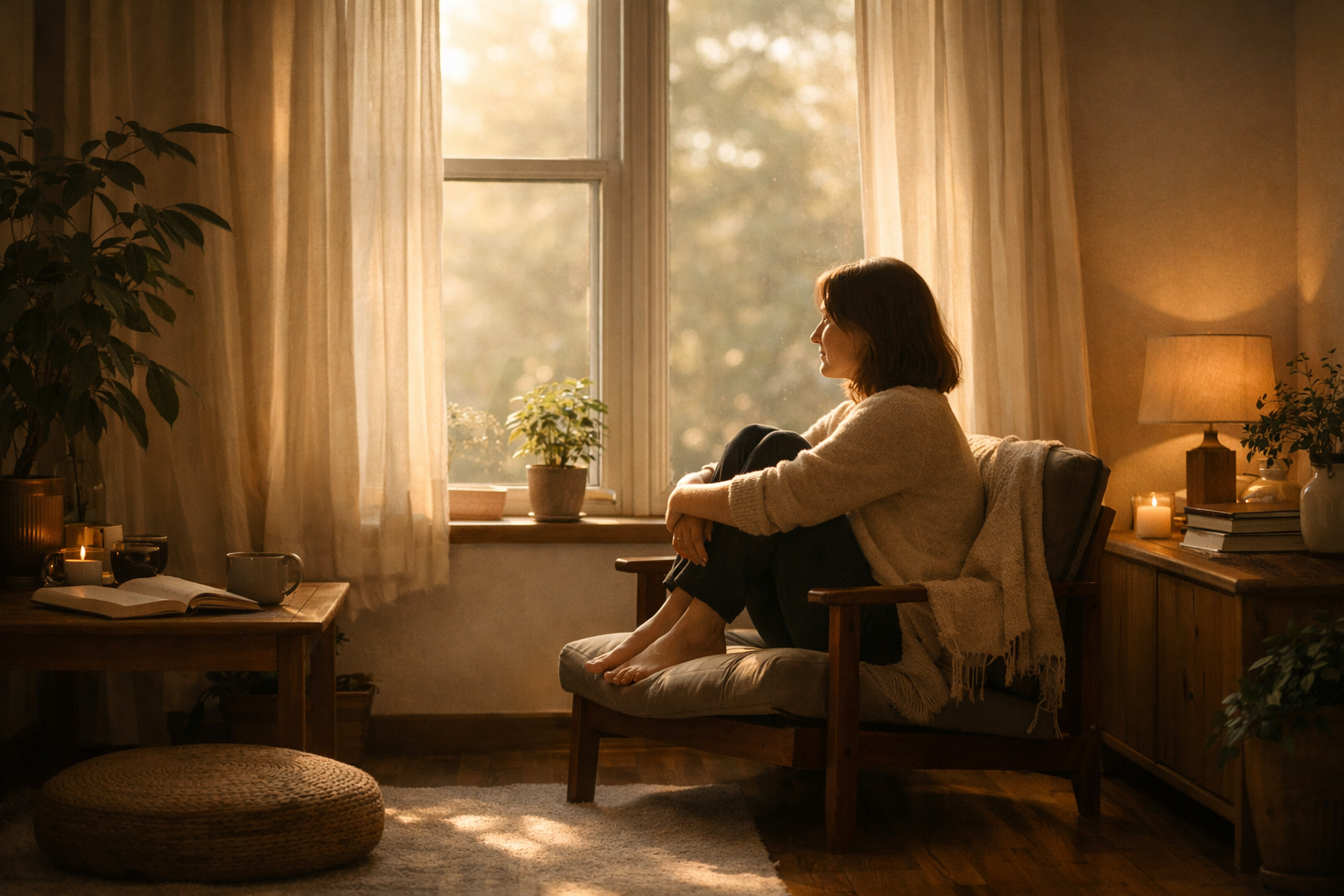
The Quiet Ease of Being Alone
Why comfort in solitude is not loneliness, but a deeper form of self-belonging

There is a quiet kind of comfort that many people hesitate to admit.
It appears in the small pauses between social obligations. It lives in afternoons spent with a book, a walk taken without conversation, or a room that holds nothing but your own breathing. Yet despite how natural it feels, people often question it.
Is something wrong with me if I enjoy being alone this much?
However, the truth is far simpler than the worry.
Being comfortable alone is not a flaw in the architecture of your personality. Instead, it is often a sign that your inner world has become a place you trust.
And that is a rare kind of peace.
Solitude Is Not the Same as Loneliness
First, it helps to untangle two ideas that people frequently confuse.
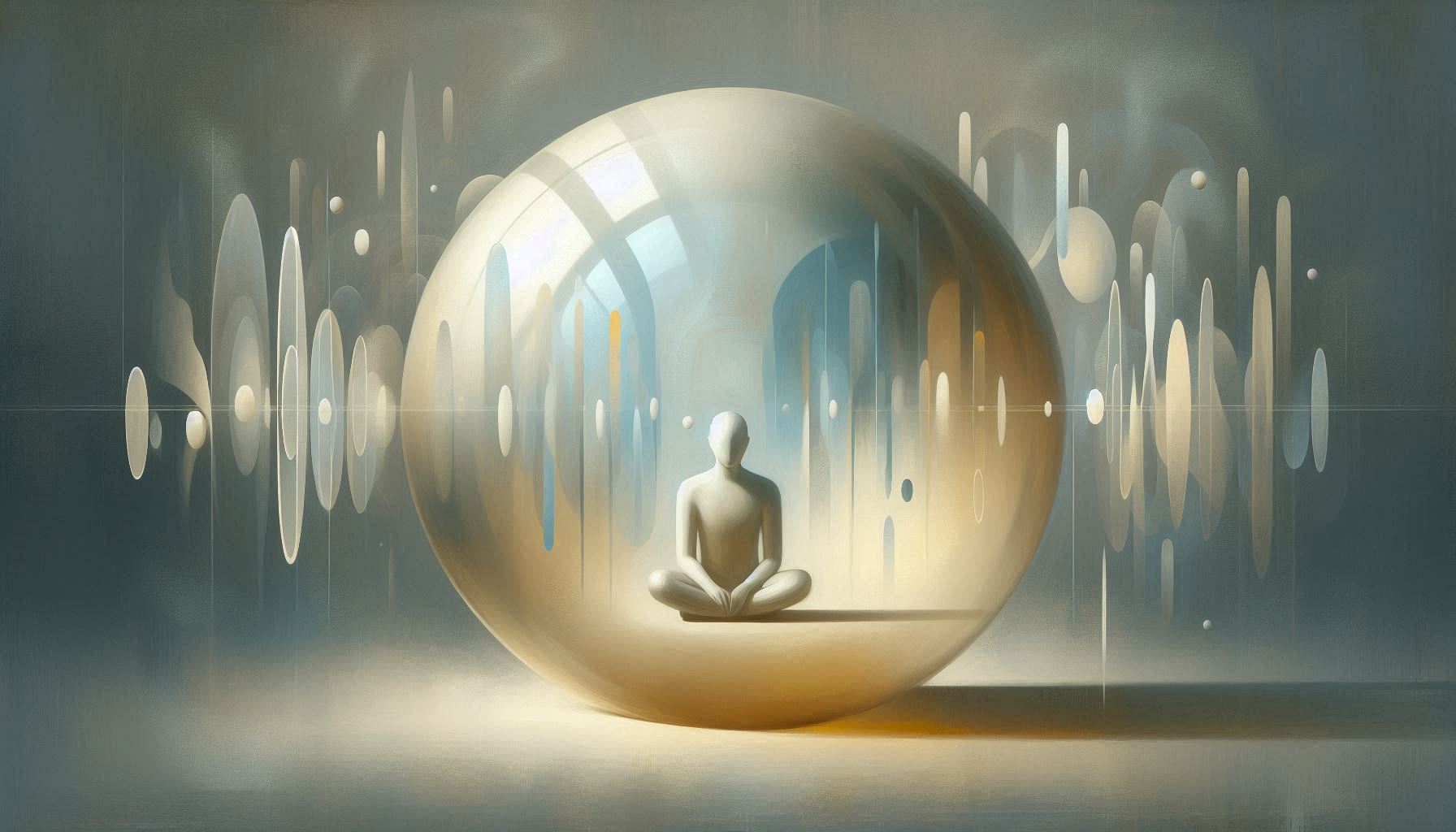
Loneliness is the feeling of being emotionally disconnected. Solitude, on the other hand, is the choice to spend time with yourself.
Although they may look similar from the outside, they feel completely different on the inside.
Loneliness carries a sense of absence. It whispers that something important is missing.
Solitude, meanwhile, feels full.
For instance, someone who is lonely may scroll endlessly through conversations hoping to feel included. In contrast, someone comfortable with solitude might close their phone entirely and feel relief in the silence.
Therefore, the difference is not about the number of people around you. Rather, it is about whether your own presence feels like enough.
If you want to explore the deeper psychology behind solitude, this is a thoughtful guide to the psychology of solitude that explains why time alone can strengthen identity and creativity.
Why Some People Feel More Comfortable Alone
Interestingly, many people who enjoy solitude are not antisocial at all.
In fact, they often value relationships deeply. However, they also understand that constant interaction can become overwhelming.
For some, solitude allows thoughts to breathe. After all, conversations with others require attention, interpretation, and emotional energy.
When you are alone, none of that is necessary.
Instead, your mind moves at its natural rhythm.
You notice small things.
The way sunlight stretches across the floor.
The slow unfolding of an idea.
The quiet relief of not performing a personality for anyone.
Because of this, solitude can feel less like isolation and more like returning home.
Time alone also allows thoughts and feelings to surface gradually, similar to the quiet emotional delays that happen inside the mind when we finally have space to reflect.
The Cultural Pressure to Always Be Social
Nevertheless, society often treats constant social engagement as the ideal.
We hear phrases like “Don’t be a loner” or “You should get out more.”
Consequently, people who enjoy solitude sometimes feel the need to explain themselves.
However, this expectation ignores an important truth: humans recharge in different ways.
For readers who have always felt pressure to be more outgoing, a powerful book about embracing quiet personalities offers a reassuring perspective on introversion.
While some people gain energy from busy rooms and lively conversations, others regain clarity in quiet spaces.
Neither pattern is wrong.
Instead, they simply reflect different emotional ecosystems.
Therefore, choosing solitude occasionally is not a rejection of connection. Rather, it is a way of maintaining balance.
The Hidden Strength in Comfortable Solitude
People who are at ease with being alone often develop a quiet resilience.
For one thing, they are less dependent on constant external validation. Since they are used to sitting with their own thoughts, they learn to process emotions without immediate distraction.
As a result, their sense of identity tends to grow inward rather than outward.
For people who feel emotions intensely, solitude can be restorative. It offers space to process experiences without stimulation, especially for those who understand why feeling deeply can make the world overwhelming.
They discover what they genuinely enjoy.
They understand what their mind sounds like when no one else is speaking.
And perhaps most importantly, they learn that silence is not empty.
It is simply space.
Space for reflection.
Space for creativity.
Space for becoming someone who does not fear their own company.
But Humans Still Need Connection
Of course, enjoying solitude does not mean relationships are unimportant.
In fact, meaningful connections often become richer when they are not constant.
Think of it like breathing.
You inhale connection, conversation, and shared experiences. Then you exhale into solitude, reflection, and personal space.
Without both, the rhythm feels strained.
Therefore, being comfortable alone does not mean rejecting people. Instead, it means you are able to step away from noise without feeling lost.
And when you return to others, you do so more intentionally.
Learning to Trust Your Own Company
For many people, comfort with solitude develops slowly.
At first, quiet moments may feel awkward. Without the distraction of conversation or screens, thoughts can grow loud.
However, over time, the mind settles.
Eventually, being alone begins to feel less like emptiness and more like familiarity.
In fact, many people discover that spending time alone brings clarity about who they are becoming. Sometimes that clarity resembles the grief that comes with becoming a healthier version of yourself, because growth often changes the way we relate to others.
You realize something gentle but powerful:
Your own company is not something to escape from.
It is something you can live with peacefully.
The Quiet Permission to Be Yourself
In the end, there is nothing strange about preferring a quiet evening to a crowded room.
There is nothing unhealthy about enjoying your own presence.
And there is certainly nothing broken about a person who finds comfort in solitude.
Because sometimes the most stable form of belonging does not come from fitting into every social space.
Instead, it begins in a quieter place.
The moment you realize that even when the room is empty, you are still accompanied.
By your thoughts.
Your curiosity.
Your steady, unfolding self.
And suddenly, being alone no longer feels like being apart from the world.
Rather, it feels like standing calmly within it.



Leave a Reply